
Nutritional and Metabolic Issues
July 2, 2023
Recovery Stage
After the time and exertion involved in labor and delivery, the mother is often hungry. Most women do not have dietary restrictions after vaginal childbirth. After a cesarean section, women often have restrictions that limit oral intake to ice or liquids for the first day with a gradual reintroduction to the diet. Fluids are important during the recovery phase to replace the fluids and blood lost during delivery; offer a variety of fluids such as water and juices. If the physician orders IV fluids, administer them promptly. When a general anesthetic has been used, such as during a cesarean delivery, verify the presence of bowel sounds before giving solid food.
If the woman used mouth-breathing techniques during labor, she may have dry mucous membranes, cracked lips, and noticeable breath odor. Good oral hygiene relieves these symptoms and reduces discomfort. A complete sponge bath or a shower with assistance enhances well-being and comfort by removing perspiration and other waste products from the skin.
Later Postpartum Stage
Diet remains an important concern postpartum. Many women are concerned about the weight gained during pregnancy and wish to lose the excess as soon as possible. Dieting must not deprive the woman of necessary nutrition. If the woman has not gained excessive weight during pregnancy, she usually returns to her prepregnant weight in 6 to 8 weeks without significant dietary restrictions. Most physicians do not recommend any weight-loss diets until after this time. Women who are not breastfeeding should continue to eat a well-balanced diet that follows MyPlate suggestions. Women who are breastfeeding generally continue the diet recommended during pregnancy because the body needs extra calories, vitamins, and minerals for lactation. The breastfeeding mother should maintain the increased caloric intake of 300 to 500 kcal/day as part of a well-balanced diet and should maintain a daily fluid intake of 2 to 3 L.
Hygiene
During the postpartum stage, excessive perspiration is normal. The lochia has a characteristic musty odor. It should not have a foul or decaying smell. Encourage regular bathing (showers are preferred) to minimize odors and promote comfort. Most women are permitted to be up as tolerated within hours of giving birth,
but they may experience vertigo as a result of vascular shifts related to the heat of the shower. If this occurs while the woman is standing in the shower, she may experience syncope and injure herself. The first time the newly delivered woman takes a shower, provide for safety by instructing her on use of the emergency call signal and the length of shower time recommended and provide a chair in the shower room. Also, check the patient frequently during her first shower to verify she is safe. Tub baths are not recommended until after the postpartum examination at 6 weeks so that no water that has been contaminated with body wastes enters the vaginal canal or uterus until healing is completed.
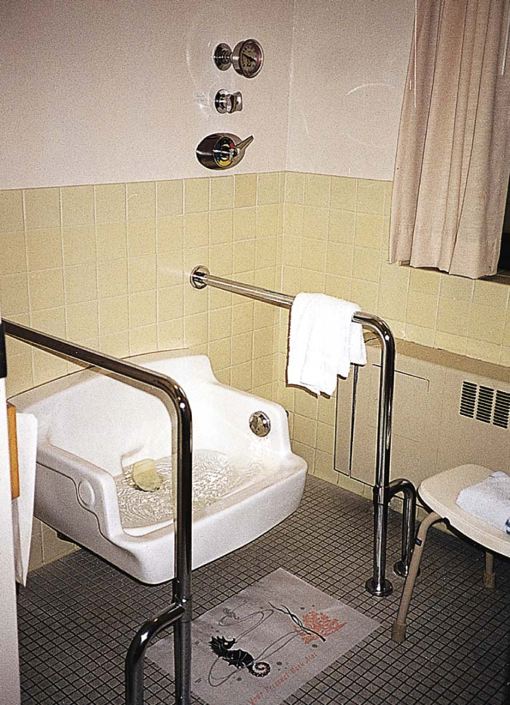
Sitz baths may be used to reduce discomfort and promote healing of the perineum. Vasodilation from the warm water helps reduce edema and speed tissue repair. Instruct the patient about water temperature and length of time. As with a shower, vascular changes may occur; check on the patient regularly to promote safety. Proper cleaning of equipment must take place between patients if community facilities are used (Figure 27-3). Today, most facilities use a personal, portable sitz bath that the patient can take home at discharge.
If the woman has delivered via cesarean section, she has an abdominal incision with sutures or staples. Assess this incision in the same manner as any other surgical incision. It should remain approximated with no erythema, little exudate, and no malodor (foul odor). Traditionally, the patient has a dressing covering the incision the day of surgery. This is usually
removed the next day by the surgeon. The incision likely is left open to the air. Those patients with staples closing their wounds have them removed in approximately 3 days. Adhesive strips may be applied after their removal and remain on for the next 5 to 7 days. Care should be taken so clothing does not irritate the incision. The patient may shower with the incision that contains sutures or staples. Wounds with adhesive strips need to be protected from the direct flow of water during a shower.