04 – A Close Look at School-Based Health
June 11, 2024
The Education and Health Intersection
Bringing Healthcare to Schools to support learning readiness and student success.
What We Know Intuitively
- Healthy students make better learners
- You canu2019t teach a child who is not healthy
- A child who succeeds in school is more likely to enjoy lifelong health
What Science Tells Us
- Health has both direct and indirect effects on school failure
- Good education predicts good health
- Inequities in health and education are closely linked: young people who experience inequities in educational achievement also experience inequities in health care access
- Public health and education are linked toward a common cause: school success
- Academic performance is negatively affected by:
- Alcohol, tobacco, and other drug use
- Emotional problems
- Poor diet
- Intentional injuries
- Physical illness
- Low self-esteem
- Risky sexual behavior
- Lack of access to health care
- Unstable home environment
- Academic performance is positively affected by:
- High levels of resiliency, developmental assets, and school connectedness.
The Health-Academic
nOutcomes Connection
Question:
Which of these students is not likely to achieve his/her education potential?
- Chronic asthmatic
- Pregnant 11th grader
- 10th-grade experimental drug user
- Middle school student in foster care
- Depressed adolescent with suicidal thoughts
- Anxious bully victim in elementary school
- Homeless ninth grader
- Overweight sixth grader-borderline diabetic
Answer
ALL OF THEM
Public Health and Education:
Shared Accountability, Shared Outcomes
School-Based Health Centers
- PROMOTE school and community health partnerships
- PROVIDE on-site primary and mental health services
- Strategically TARGET underserved populations
- INCREASE student success
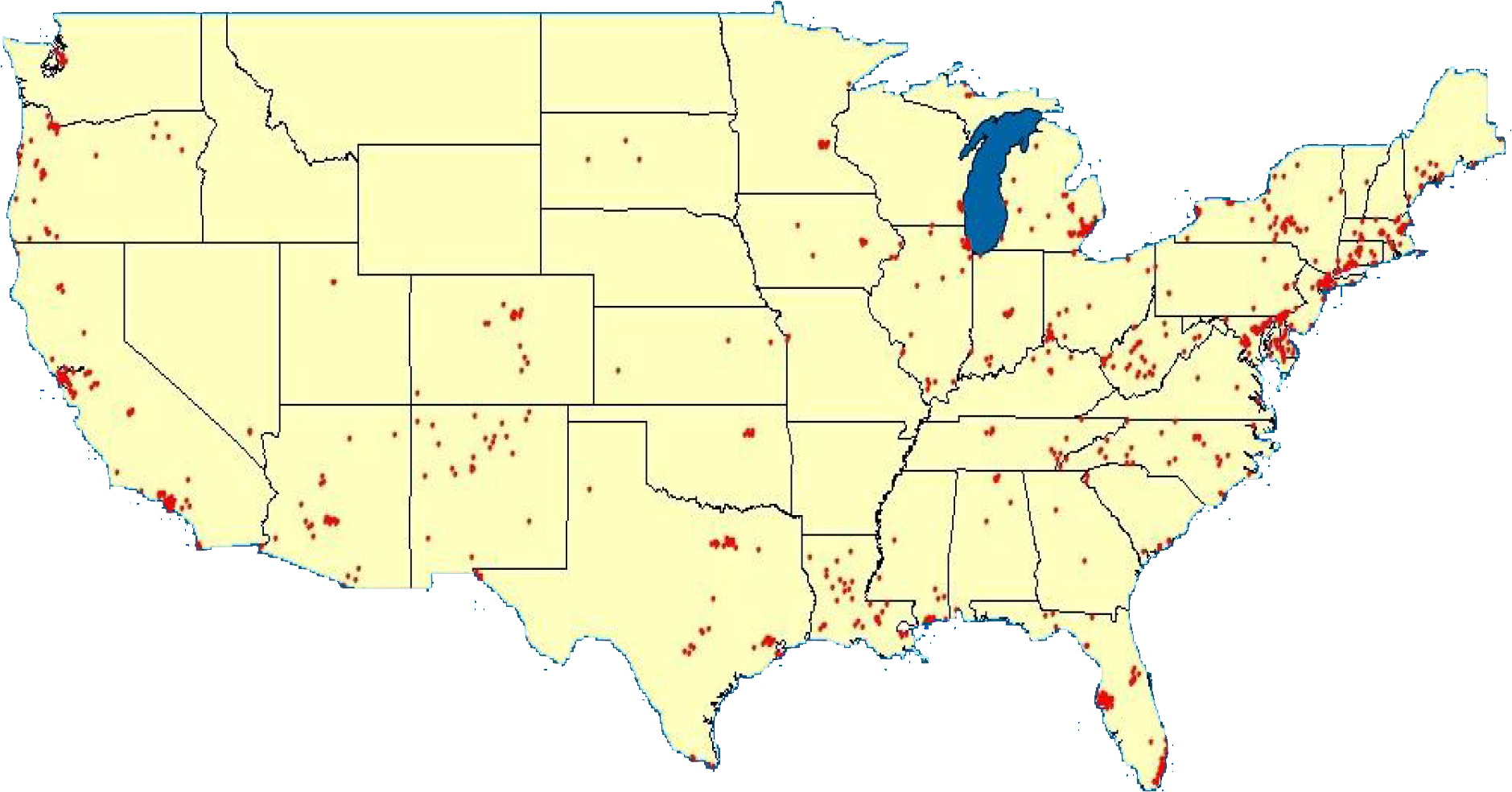
Where Are They Located?
- There are 1708 school-connected health programs (school-based, linked and mobile) in 43 states
- 41% are in Title 1 schools
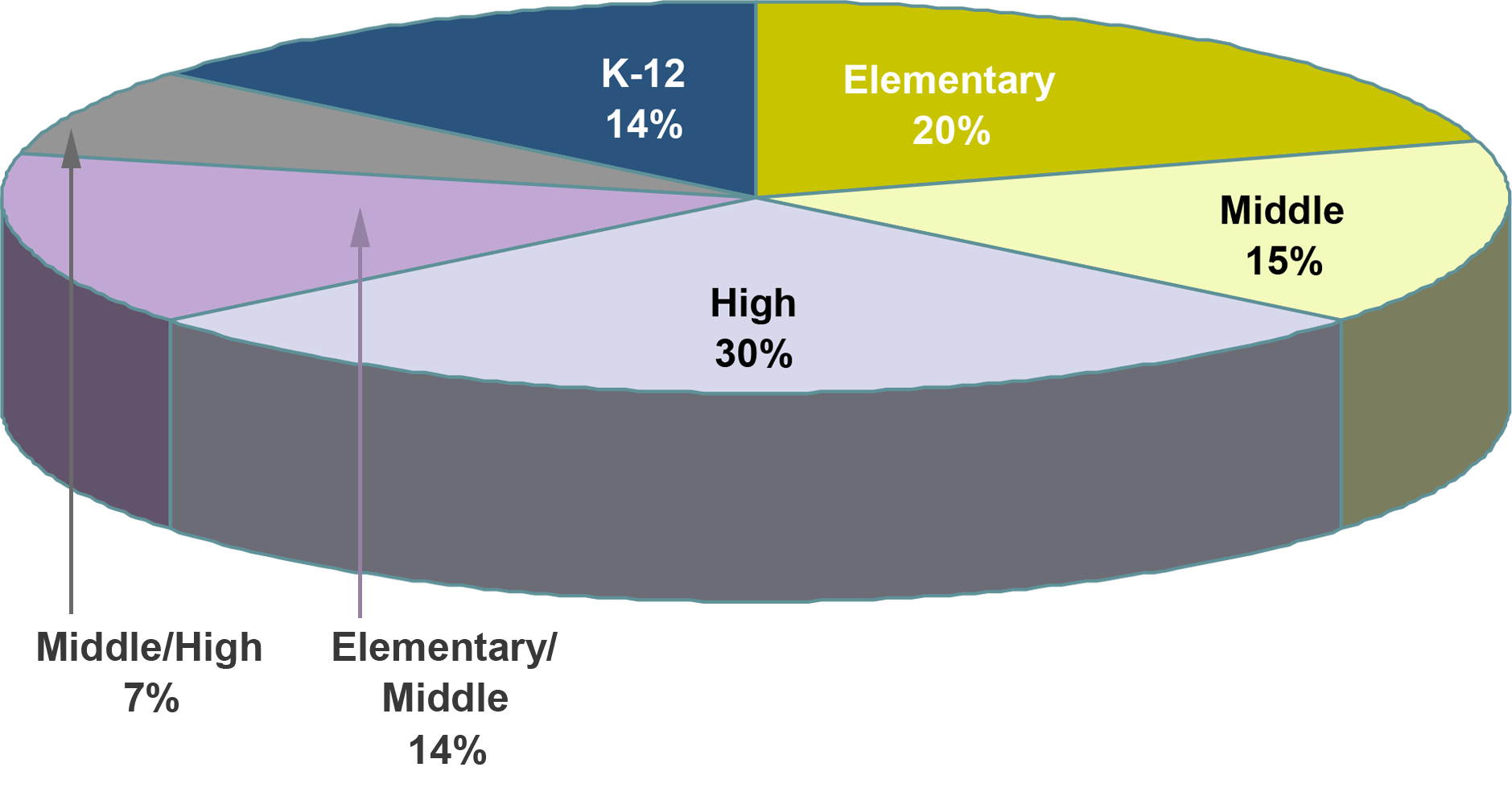
- 80% serve at least one grade of adolescents


SBHCs...
- Reduce Barriers to Learning
- Increase Attendance
- Improve Student Health
- Meet Government Regulations
SBHC Outcomes and Tactics
Reduce Barriers to Learning
- Identify students at-risk for health and behavioral problems
- Assist in IEP development
- Provide mental health services
- Treat acute conditions
- Manage chronic conditions
Increase Attendance
- Provide preventive health services
- Treat acute conditions
- Administer medication to students with chronic conditions
- Enroll students in health insurance
- Provide mental health services
Improve Student Health
- Refer students to services not provided in the SBHC
- Provide preventive health services
- Treat acute conditions
- Manage chronic conditions
- Conduct sports physicals
- Provide mental health services
Meet Government Regulations
- Immunize students
- Participate in community initiatives on public health such as obesity and emergency planning
- Maintain health records for migratory students
SBHC Services
- Medical care helps students with chronic and acute conditions cope with disease and gets them back to the classroom faster.
- Mental health services provide students with emotional support, curb substance abuse, and avoid high-risk, health compromising behaviors.
- Health surveillance and preventive services catch health problems early and promote a healthier, safer student population.
- Social services help children and families with the basic supports of food, shelter, and safety.
- Youth development services empower students with skills to strengthen their connectedness to the school and community.
Create a Healthy Learners Alliance to Improve Student Success
Students learn best when they are healthy, connected, and happy. A u201cHealthy Learners Allianceu201d promotes partnerships with local public health agencies, community health organizations, and hospitals and involves teachers and coaches, school administrators and staff, and students, to eliminate inequities in educational achievement and health care access.
How to Create a Healthy Learners Alliance
Increase School Connectedness
- Encourage student involvement in SBHC activities
- Provide opportunities for student leadership and involvement in peer programs
- Employ staff that can serve as mentors and role models
Support Teachers and School Administrators
- Provide individual, group, and classroom health education consistent with the school curriculum
- Offer selected health services to school staff
- Support teachers concerned about studentsu2019 physical or mental health
- Address the health needs of specific high-risk populations
Engage parents and community
- Coordinate with other school and service providers
- Encourage parental involvement
- Participate in community public health initiatives
School Failure is a Public Health Concern...
Rarely has a single problemu2014 high school dropout rates u2014 contributed to so many adverse social, economic, and health conditions. Our nationu2019s young people deserve no less than a concerted effort to improve school completion rates and thus give young people a gateway to lifetime health and success.